Find places to publish useful community content
Use AI cited sources to find relevant external platforms, understand which content formats work there, and create platform specific content ideas that can support brand mentions and citations in AI generated answers.
Why community content matters
AI search visibility is shaped by more than the pages on your own website. In many categories, AI systems also use external sources such as forums, Q&A sites, review communities, social platforms, and niche publishing sites.
These sources often influence how a topic is explained, which products are compared, and which brands are treated as credible options. If your brand is absent from the external sources that AI systems reference, your website content may not be enough to earn visibility.
Community content can help close that gap. One tactic is to write comments on existing posts and sites that are already being cited. Another tactic is to create content yourself on these platforms. This playbook covers the latter approach.
The goal is to find relevant places where your team can contribute useful information, answer real questions, share examples, or publish platform specific content that fits the context. The goal is not to copy your website content into every platform.
GEO Playbook: How to find valueable pages to publish community content
This playbook explains how to identify the most valuable third party websites where your brand can publish content to improve AI Search visibility.
Collect the external platforms that appear in AI generated answers for your tracked prompts. Look for recurring sources such as Q&A sites, forums, review communities, vertical communities, social platforms, niche publications, and community blogs.
In ALLMO, you can use Citation Intelligence and filter for UGC (user generated content) sources to focus on user generated and community driven platforms. If you do this manually, review the cited sources in AI Search results and group the community platforms yourself.
Focus on patterns. A platform that appears across several prompts, competitors, or high intent questions is usually more relevant than a one time citation.
Different platforms are useful for different reasons. AI systems may use one platform to understand real user pain points, another to compare alternatives, another to check product opinions, and another to find practical examples.
Review the cited pages or discussions and ask what role the platform plays in the answer. Is it used for recommendations, troubleshooting, examples, comparisons, personal experience, technical detail, or community opinion?
This helps you avoid generic content ideas. A good community content idea should match the reason the platform matters in AI Search results.
Before creating content ideas, review whether each shortlisted platform actually allows your team to publish there.
Some platforms, such as Medium or LinkedIn, let most users create an account and publish directly.
Others may require an invitation, editorial approval, a paid listing, a verified profile, or a specific type of contributor. Keep only platforms where publishing is realistic and where your contribution can follow the platform rules, fit the audience, and be transparent about your expertise.
Review what kind of content appears on each platform. Some platforms favor direct answers. Others work better for tutorials, discussions, comparisons, opinion posts, or long form guides.
Look at the structure, tone, and level of detail that users expect. A useful Reddit post may look very different from a Medium article, a Quora answer, a LinkedIn post, or a niche forum thread.
Also check the platform’s community guidelines. Your content should fit the audience, follow the rules, and make it clear why your team has the expertise to contribute.
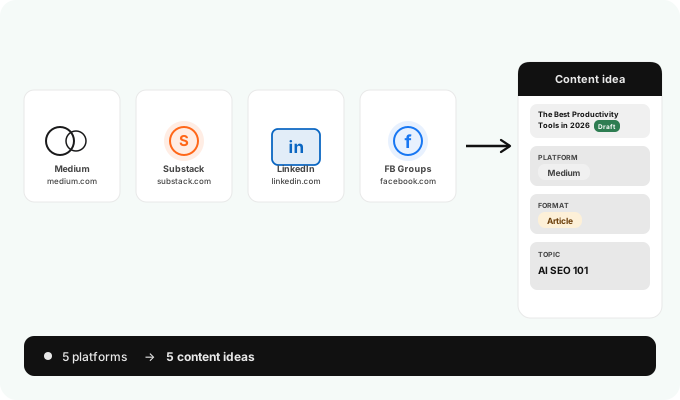
Create content ideas and draft angles for each selected platform. Each idea should include the topic, angle, format, target audience, reason it fits the platform, and reason AI systems may find the source useful.
Make the ideas specific enough to execute. Instead of “write about project management software,” define the exact question, use case, comparison, example, or problem the content should address.
A strong draft angle should connect three things: what people on the platform care about, what your team can credibly explain, and what AI systems already appear to use that platform for.
After publishing content on external platforms, recheck the AI Search results for the same prompts.
Look for changes in cited sources, brand mentions, competitor mentions, and the way AI systems describe the topic. Community content does not create instant visibility, but repeated monitoring helps you see which platforms and content formats are worth continuing.
ALLMO playbooks update weekly. You can also check manually or use another prompt monitoring tool to see whether new content starts appearing in AI generated answers over time.
Signals to look for to identify valueable pages
Look for platforms that appear more than once across your AI Search results. Repeated citations are stronger signals than sources that appear only once.
Pay attention to pages and discussions that match buying intent. These can include comparison threads, alternative searches, recommendation requests, pain point discussions, implementation questions, and category explanations.
Check whether your brand is missing from sources where competitors are mentioned. This can reveal external visibility gaps that your website content alone may not solve.
Review why AI systems may rely on each platform. Some sources help explain community opinion. Others provide first hand experience, niche expertise, practical examples, or comparison context.
Check whether the platform is a natural fit for your expertise. A cited source is only useful if your team can contribute something credible, transparent, and relevant there.
Also check the platform rules and audience expectations. The same topic may need a different format on Reddit, Quora, Medium, LinkedIn, a niche forum, or an industry community.
Key Benefits
- Find relevant platforms Identify external platforms that already appear in AI cited sources.
- Create platform native ideas Develop content concepts that match how people use each platform.
- Expand beyond your website Build useful presence on third party sources that AI systems may reference.
- Off-page optimization Strengthen your AI Search visibility through useful content on external sources, not only your own website.
- Benefit from 3rd party platform authority Publish on trusted third party platforms that already have authority in AI systems, while your own page authority is still building up.
Who it's for
Use this playbook to discover external platform where publishing content could support visibility in AI search. It helps you choose platforms based on AI source data, not guesswork.
Turn your existing expertise into content ideas that fit external platforms. This helps your content reach audiences beyond your own website.
Use AI cited platforms as a signal for where third party content may influence discovery, credibility, and recommendations.
How ALLMOs GEO Agent identifies valueable external platforms for off-page optimization
ALLMO’s GEO agents help you run this workflow on autopilot. The agents analyze AI Search results for your target prompts, identify relevant UGC and community sources, and turn the findings into platform specific content opportunities.
For each platform, the agent output includes the topic, suggested angle, content format, audience fit, and reason the platform matters. This helps your team (or your writing AI agent) create content that fits the community instead of posting the same generic message everywhere.
You can apply the workflow manually by checking AI generated answers and reviewing cited sources yourself. ALLMO helps you run it faster, repeat it weekly, and generate more consistent ideas from the data.
Frequently asked questions
Does this only work with ALLMO?
No. You can apply the workflow manually by reviewing AI Search results, collecting cited platforms, and analyzing which content formats appear repeatedly. ALLMO helps you run the process faster, repeat it weekly, and turn the findings into concrete content ideas and draft angles.
How does community content improve ChatGPT visibility?
AI systems often use third party sources to understand topics, compare products, and identify credible options. If useful content about your expertise appears on platforms that AI systems already cite, your brand has more external signals that can support mentions and citations.
Is this the same as commenting on existing discussions?
No. This workflow focuses on publishing new content on relevant external platforms. Engaging with existing discussions that are already cited by AI systems is a separate workflow.
Is this the same as optimizing directory or review profiles?
No. This workflow is about creating new content on community, social, Q&A, forum, or niche publishing platforms. Updating profiles on directories and review pages is covered in separate playbooks.
Is community content risky?
It can be risky if it is disguised, misleading, or overly promotional. It is safer when the content is transparent, useful, clearly connected to your expertise, and aligned with the platform's community guidelines and audience expectations.
Which platforms should we prioritize?
Prioritize platforms that meet three conditions: they are cited by AI systems, they are relevant to your audience, and your team can contribute something useful without pretending to be neutral.
Can we repurpose website content?
Yes, but adapt it to the platform. Do not copy and paste a blog post into a community. Rework the content into the format people expect, such as an answer, discussion post, tutorial, comparison, example, or practical guide.
How often should we run this workflow?
ALLMO playbooks update weekly. You can also recheck manually or use another prompt monitoring tool to see whether new content appears in AI generated answers over time.
More playbooks
Keep building your AI visibility strategy with these next steps.
Check whether newly published pages are visible in AI search environments, so you can find discovery gaps before they affect performance.
Analyze the pages AI systems already cite, understand what page formats they prefer, and use those patterns to create new content to improve your visibility in AI generated answers.
Analyze metadata from frequently cited pages to understand how sites that shape AI answers are structured.